Instagram
 YouTube
 Facebook
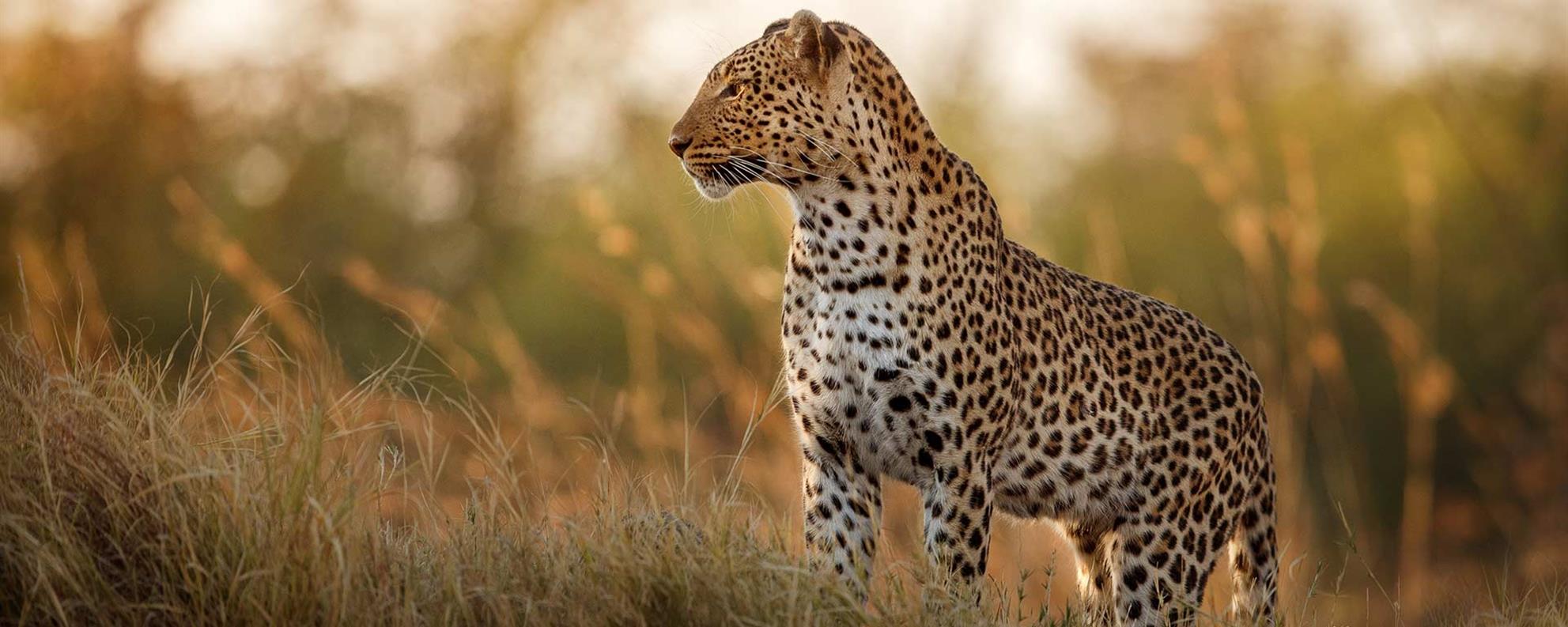
THE LEOPARDS OF JHALANA
Where the Wild Lives Beside the City
There is something strangely beautiful about finding a leopard where you least expect it.
Not deep inside a vast national park.
Not beyond endless wilderness.
But on the edge of a city.
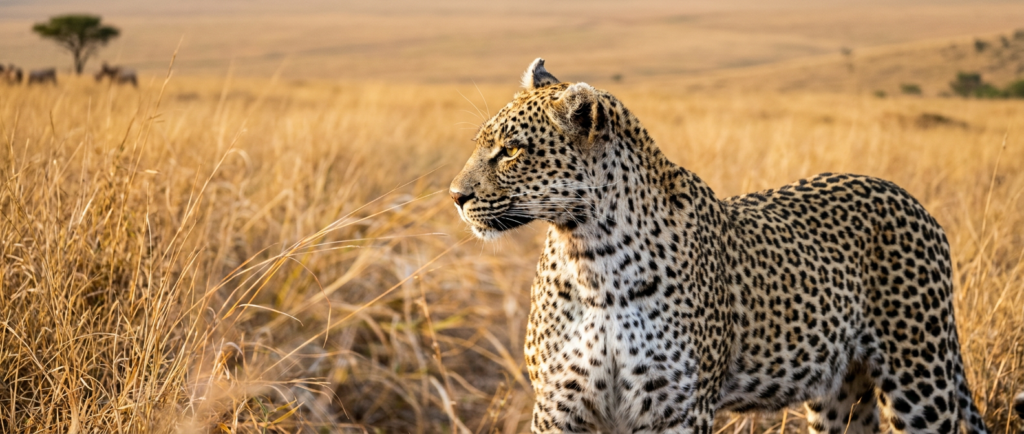
Just outside Jaipur, hidden among the rocky hills, thorn forests and dry landscapes of the Jhalana Leopard Safari, lives one of India’s most fascinating urban wildlife stories.
Here, the leopard has learned something remarkable — how to live alongside a city without becoming a part of it.
A LEOPARD IN THE CITY’S SHADOW
Jhalana is different from the wilderness most people imagine when they think of a leopard.
The forest is relatively small, surrounded by the rapidly growing city of Jaipur. Roads, buildings and human activity are never too far away.
And yet, walk a little deeper into the landscape and the city begins to disappear.
The sounds change.
The landscape becomes quieter.
Rocky outcrops rise between dry forests, acacia trees stretch across the hills, and somewhere among the shadows, a pair of watchful eyes may be following your every movement.
The leopard doesn’t need the city to disappear.
It has simply learned to live with it.
THE MASTER OF ADAPTATION
Leopards are among the most adaptable big cats on Earth.
They are powerful enough to hunt large prey, agile enough to climb trees, and secretive enough to remain unseen even when they are surprisingly close.
In Jhalana, this adaptability becomes even more fascinating.
The landscape offers leopards everything they need — prey, rocky terrain, vegetation for cover and secluded places to rest.
They have adjusted their behaviour to a world where humans are never completely absent.
And perhaps that is what makes a Jhalana leopard so special.
It isn’t just surviving in a changing landscape.
It is finding a way to belong to it.
YOU MAY NEVER SEE THE LEOPARD
And that’s the beauty of it.
A Jhalana safari isn’t a promise of a leopard.
It is a search.
You follow tracks across dusty trails.
You pause at a movement in the bushes.
You watch the langurs staring towards a distant ridge.
You listen when the forest suddenly becomes quiet.
Sometimes, nothing happens.
And then, without warning —
A tail moves behind a bush.
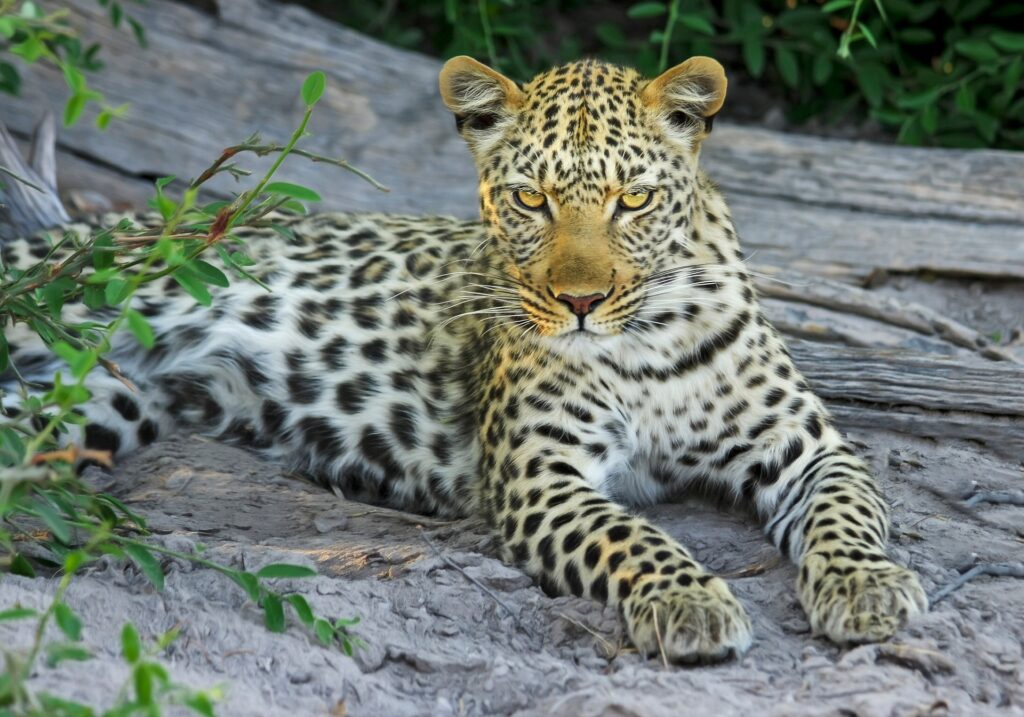
A pair of eyes appears between the branches.
Or a leopard walks across the trail for just a few seconds before disappearing back into the forest.
That fleeting moment is what stays with you.
Because the leopard was never waiting for your camera.
You simply happened to enter its world at the right time.
THE LANDSCAPE OF JHALANA
Jhalana’s rocky Aravalli landscape gives its leopards a remarkable setting.
Dry forests, thorny vegetation, ridges and rocky hills create countless hiding places.
For the leopard, these aren’t just beautiful landscapes.
They are corridors.
Lookouts.
Hunting grounds.
And sometimes, a quiet place to sleep through the heat of the day.
The landscape is constantly communicating.
A sudden alarm call from a langur.
A flock of birds taking flight.
Movement on a distant ridge.
For those who know how to read it, the forest rarely stays silent.
MORE THAN A LEOPARD SIGHTING
It is easy to visit Jhalana with one goal:
Find the leopard.
But the forest has a way of reminding you that there is always more happening than what you came looking for.
A peacock calling from the hillside.
A langur watching from a tree.
A chital moving cautiously through the grass.
The changing colours of the Aravallis as the sun moves across the sky.
And somewhere in all of this, the leopard.
Perhaps that is the real experience of Jhalana.
Not simply finding a leopard.
But learning to notice the forest around it.
THE SHADOWS OF JHALANA
Every leopard has a story.
Some are bold.
Some are elusive.
Some are seen regularly in familiar territories.
Others may disappear for weeks before suddenly revealing themselves again.
You begin to recognise them not just by their spots, but by their behaviour — the way they move, where they rest, how they react to alarm calls and how they navigate their territory.
Over time, the leopard stops being just a photograph.
It becomes a character in the landscape.
A presence you begin to look for even when you cannot see it.
WHEN THE CITY FADES AWAY
Perhaps the most fascinating thing about Jhalana is the contrast.
You can begin your day in Jaipur surrounded by traffic, buildings and the noise of everyday life.
Then, within minutes of entering the forest, you are sitting quietly beneath the Aravallis, waiting for a leopard that has no idea you are there.
The city is still nearby.
But it feels impossibly far away.
And for a few hours, you aren’t chasing the city.
You are watching the wild.
THE WILD DOESN’T ALWAYS BEGIN FAR AWAY
Jhalana tells us something important about wildlife.
Wild places don’t always exist hundreds of kilometres from civilisation.
Sometimes, they survive quietly beside us.
Sometimes, a leopard can cross a landscape that borders a city and still remain wild.
And sometimes, the most memorable safari isn’t the one where you travelled the farthest.
It’s the one where you realised how much wilderness was hiding in plain sight.
Jhalana isn’t just about finding a leopard.
It’s about discovering how the wild survives — even in the shadow of a city.
THE WILD PHASE
Immersive Safari Experiences
I recently booked a last-minute trip and I could not be happier with the experience. The team found a great deal, handled every detail and made everything easy from transportation to booking tours.
Jhalana is not a wilderness hidden hundreds of kilometres from civilisation. It is a forest that has learned to exist beside a growing city, where leopards move quietly through the Aravalli hills, often unseen but never truly absent.
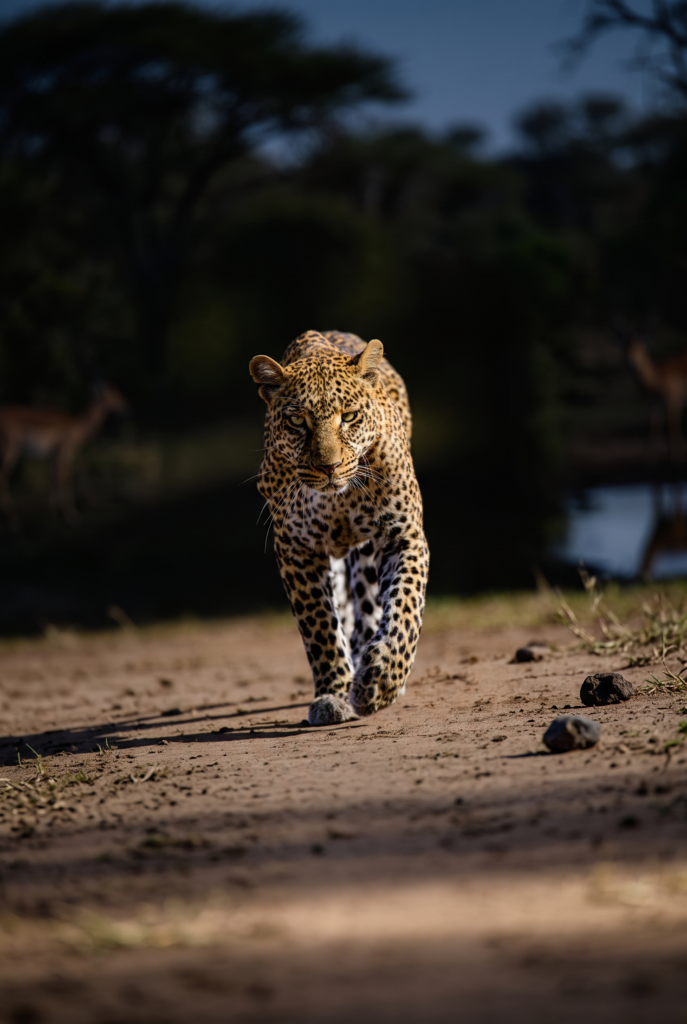
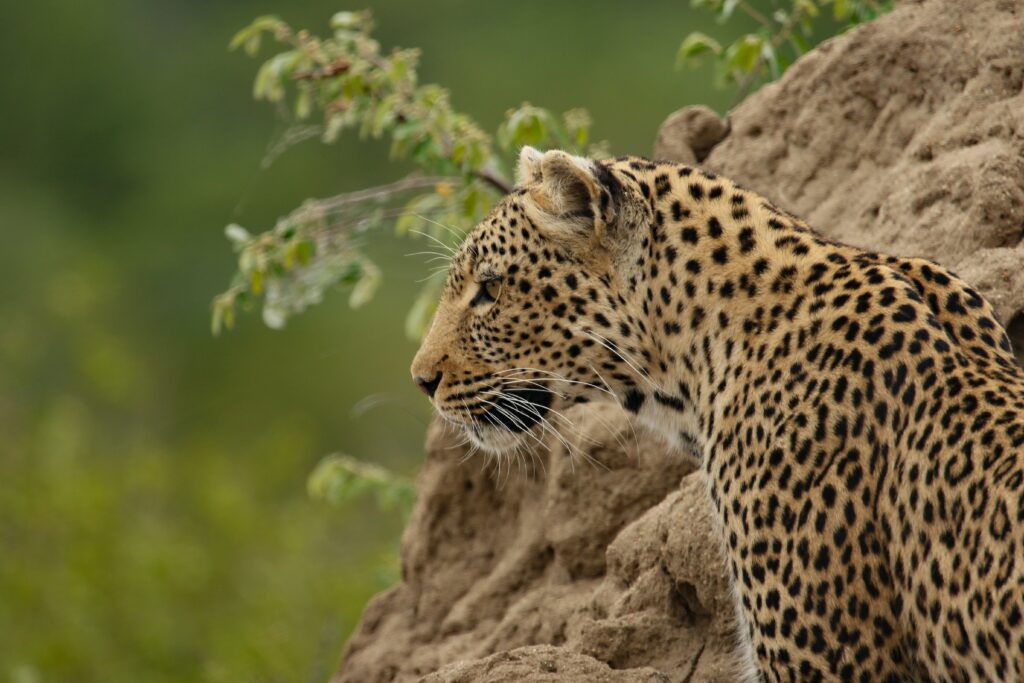
The Leopard in the Shadows
A Jhalana safari is more than a search for a leopard. It is about learning to read the forest — an alarm call from a langur, movement across a rocky ridge, or a sudden silence in the trees. And when the leopard finally appears, even for a few fleeting seconds, the moment feels earned.